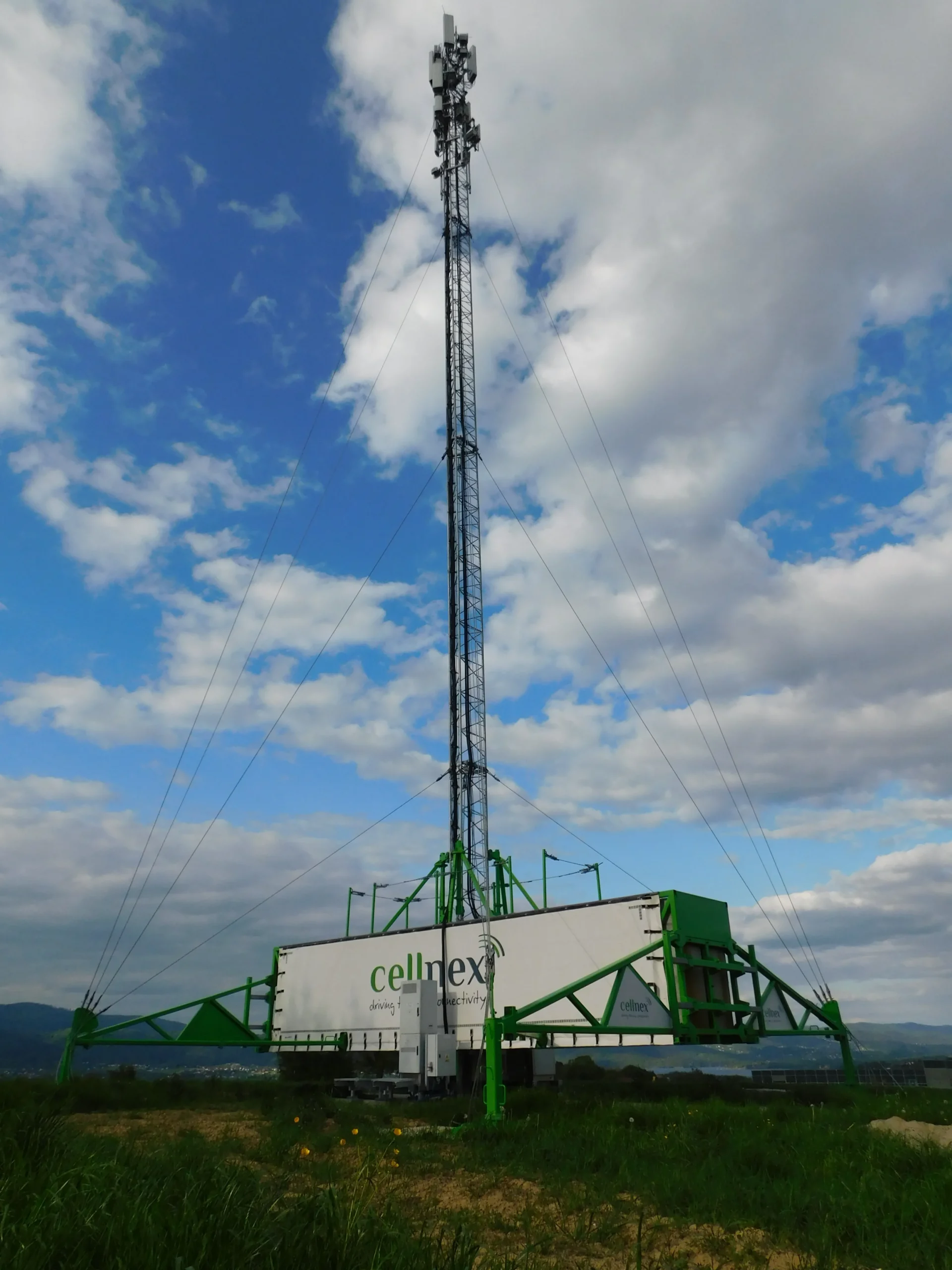
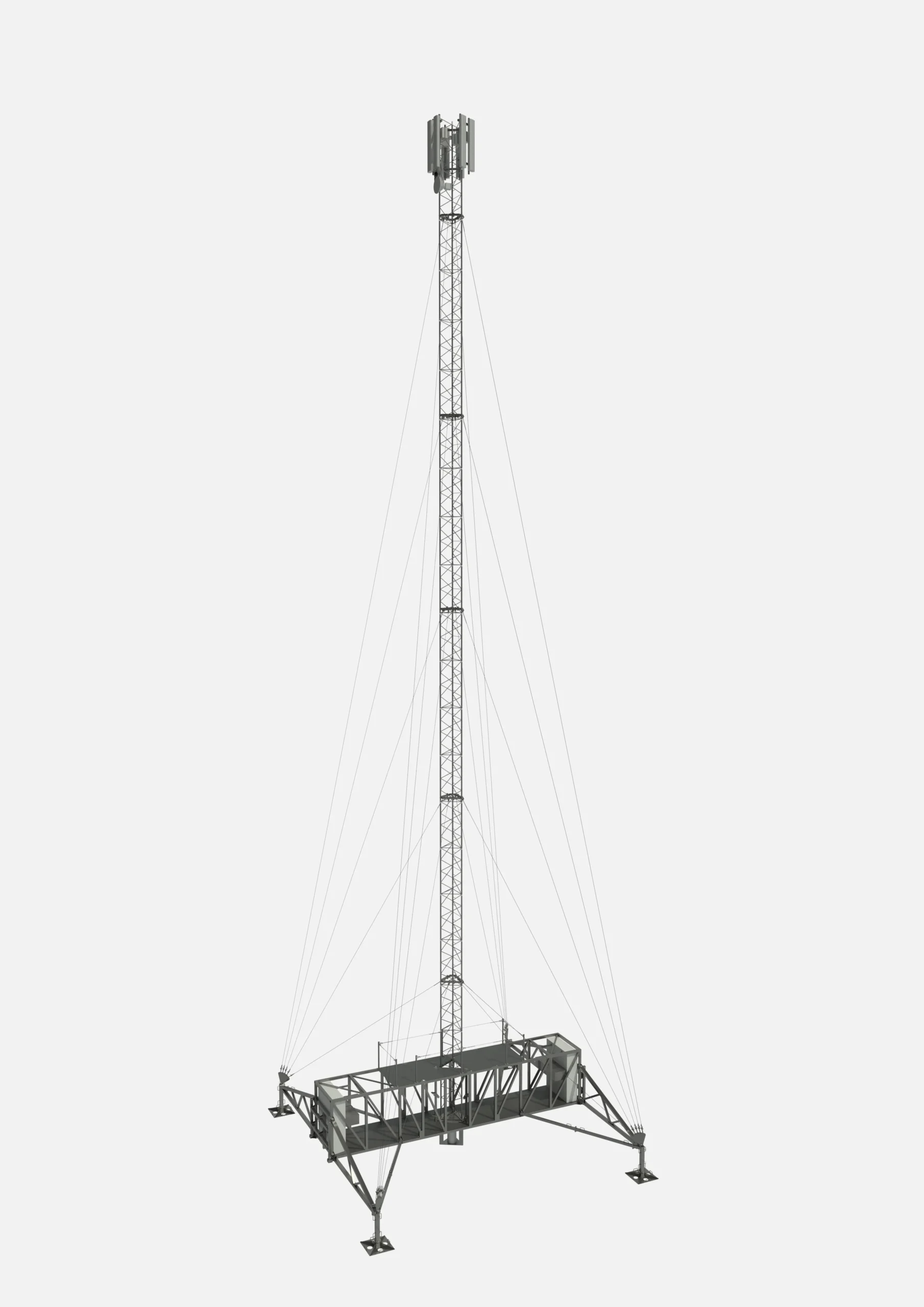
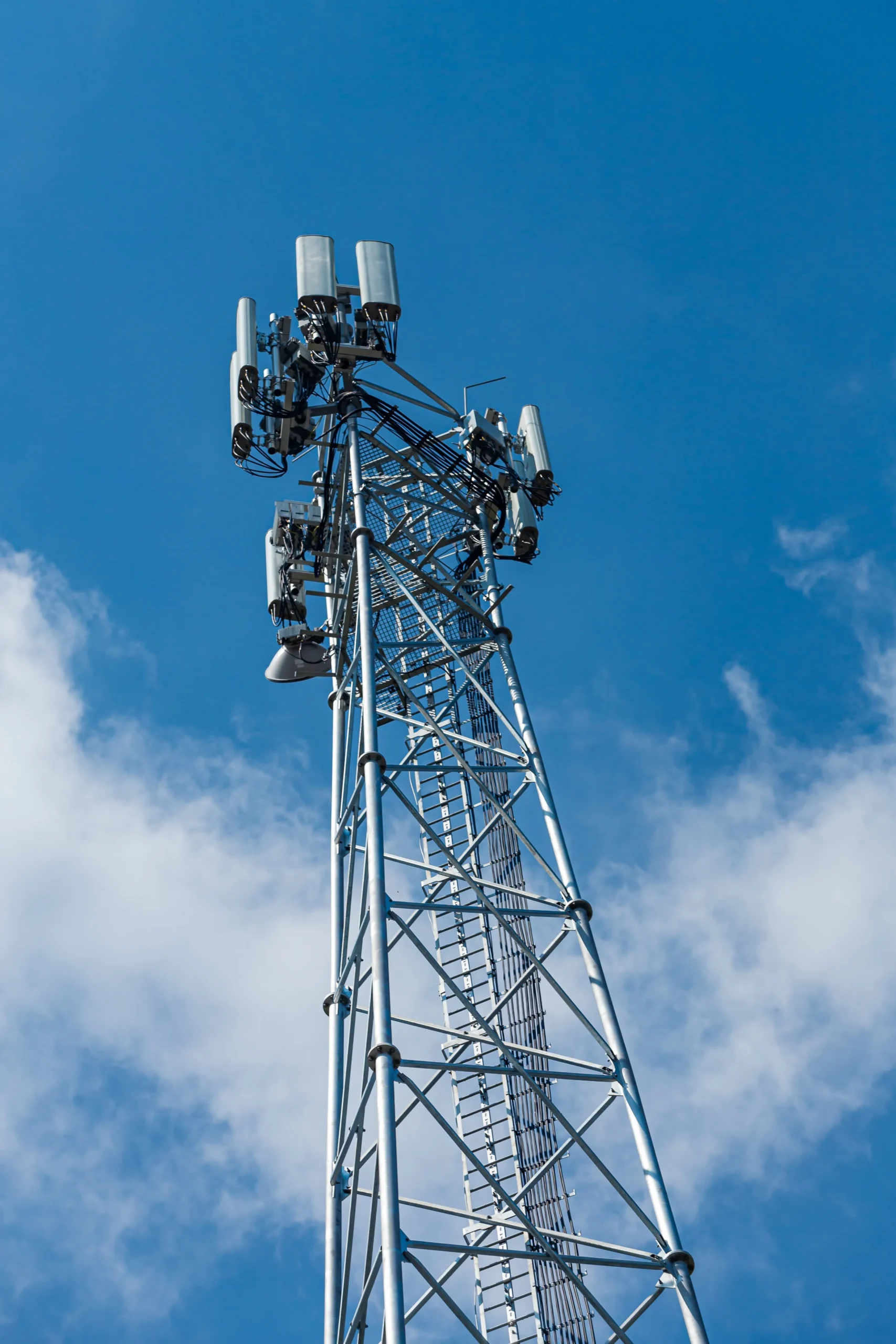
Designing towers and masts is a complex engineering process that combines knowledge of steel structures and technical safety. The key goal is to create a stable, durable, and functional structure that will provide reliable conditions for the installation of transceiver devices such as radio, GSM, LTE, and 5G antennas.

Towers

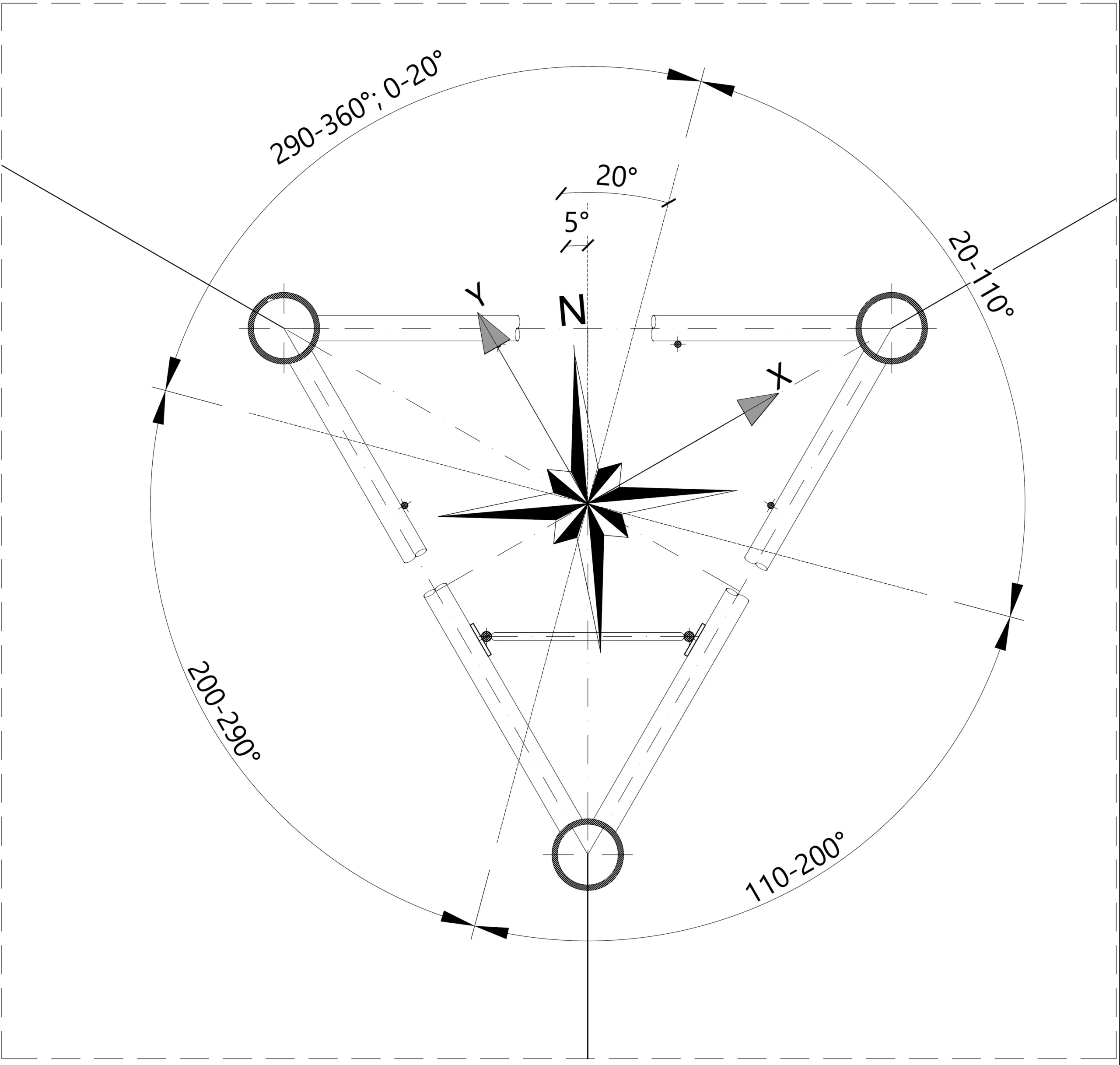
A number of factors are considered during the design phase of towers, including location, ground conditions, wind loads, potential infrastructure expansion, and issues related to planned signal propagation. It is also crucial to adapt the structure to building code requirements, national and international standards, and client guidelines.

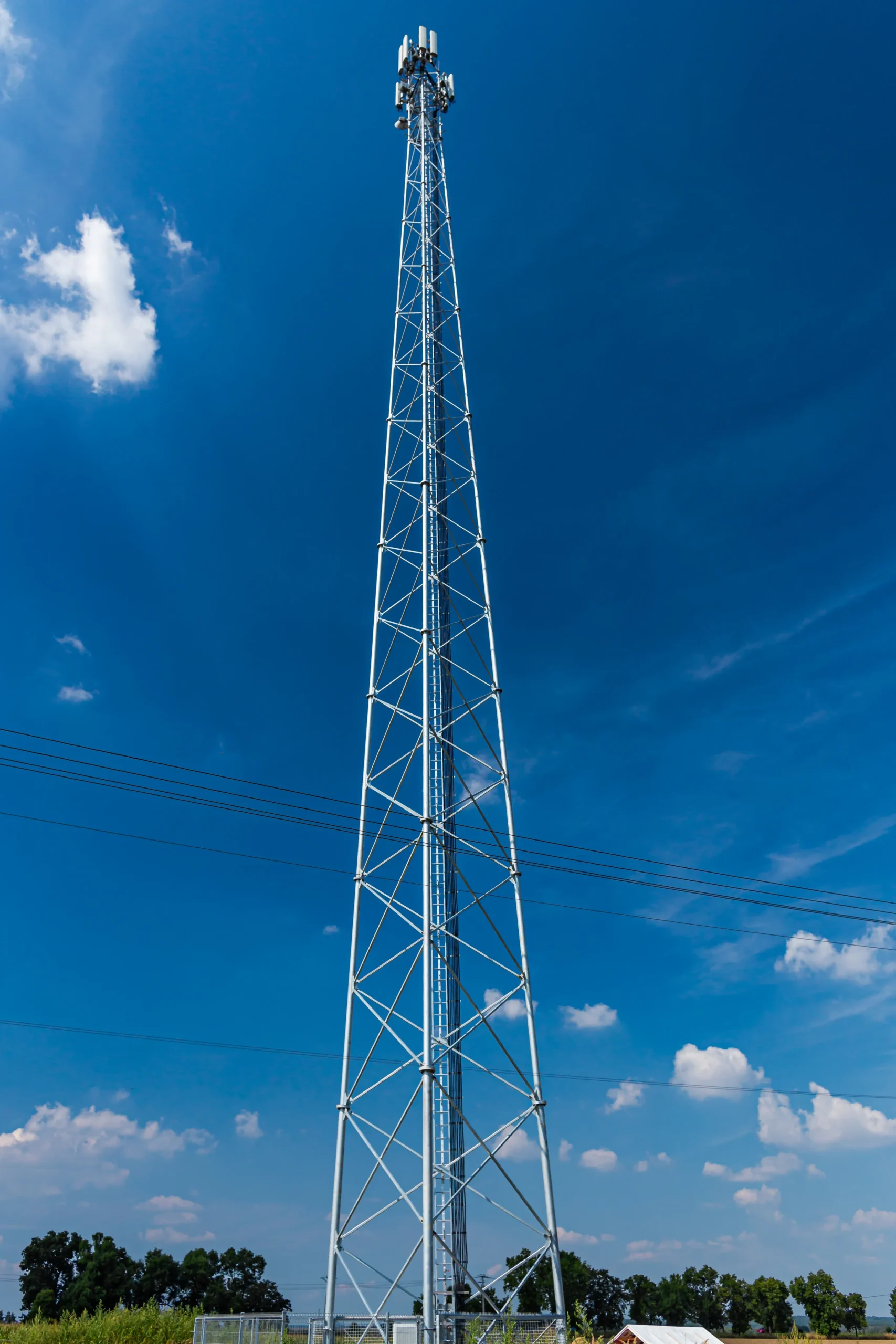
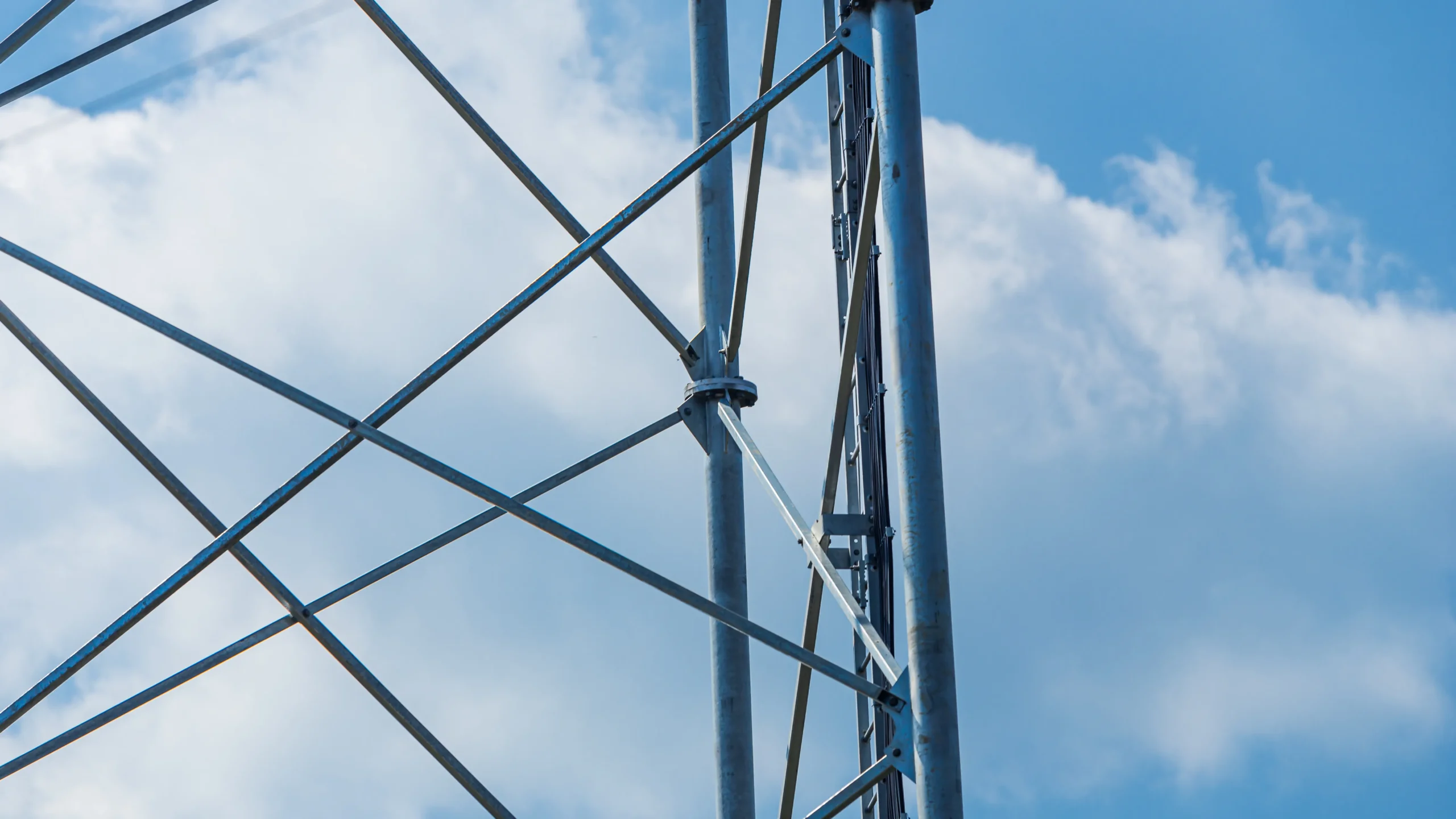
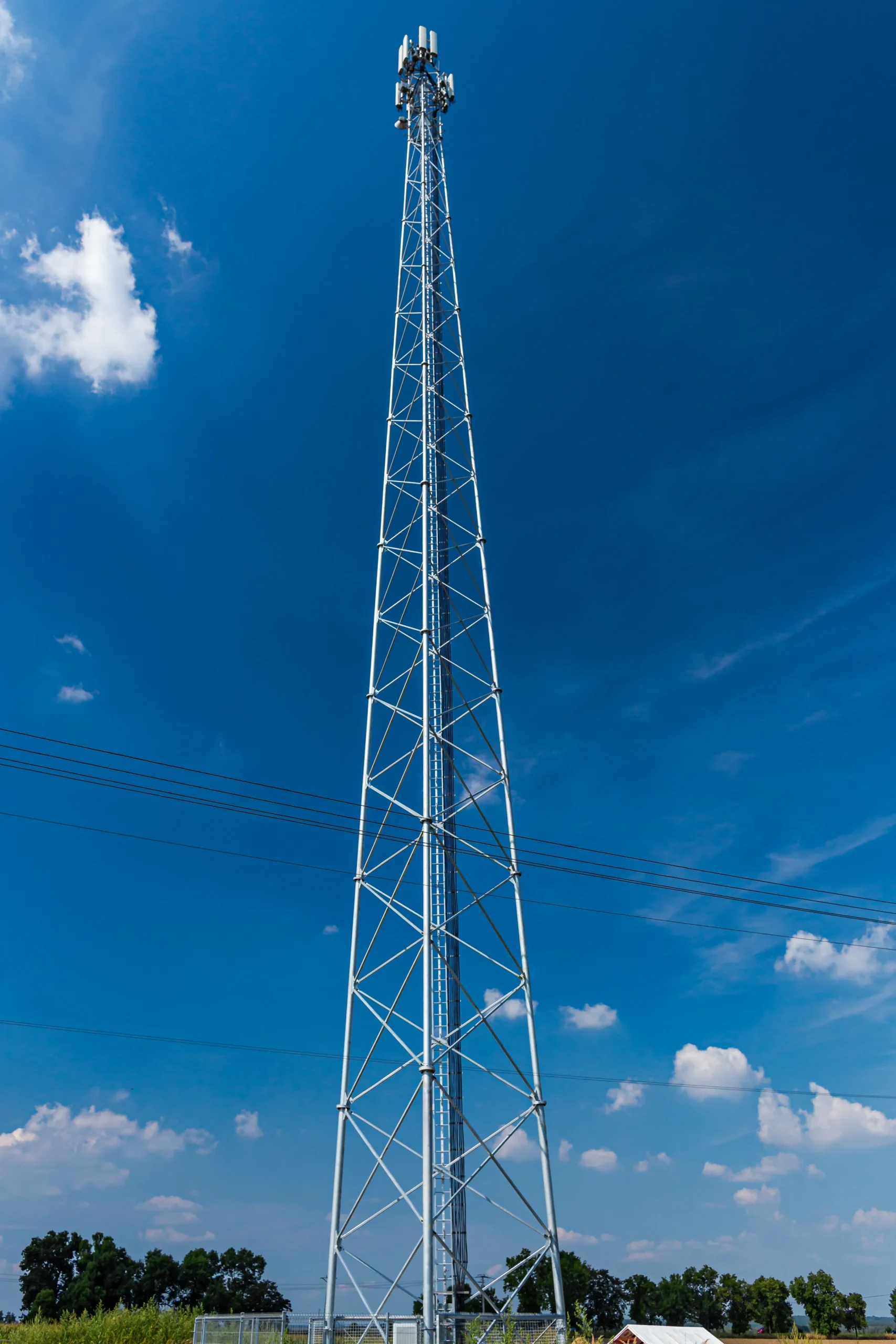
Towers can take various forms – from classic steel lattice towers to monopole structures. Each solution is individually selected, depending on the technical requirements, available space, and the aesthetic appeal of the surrounding area.

Professional tower design involves not only precise calculations but also consideration of future operation and the possibility of upgrading the structure as technology advances.

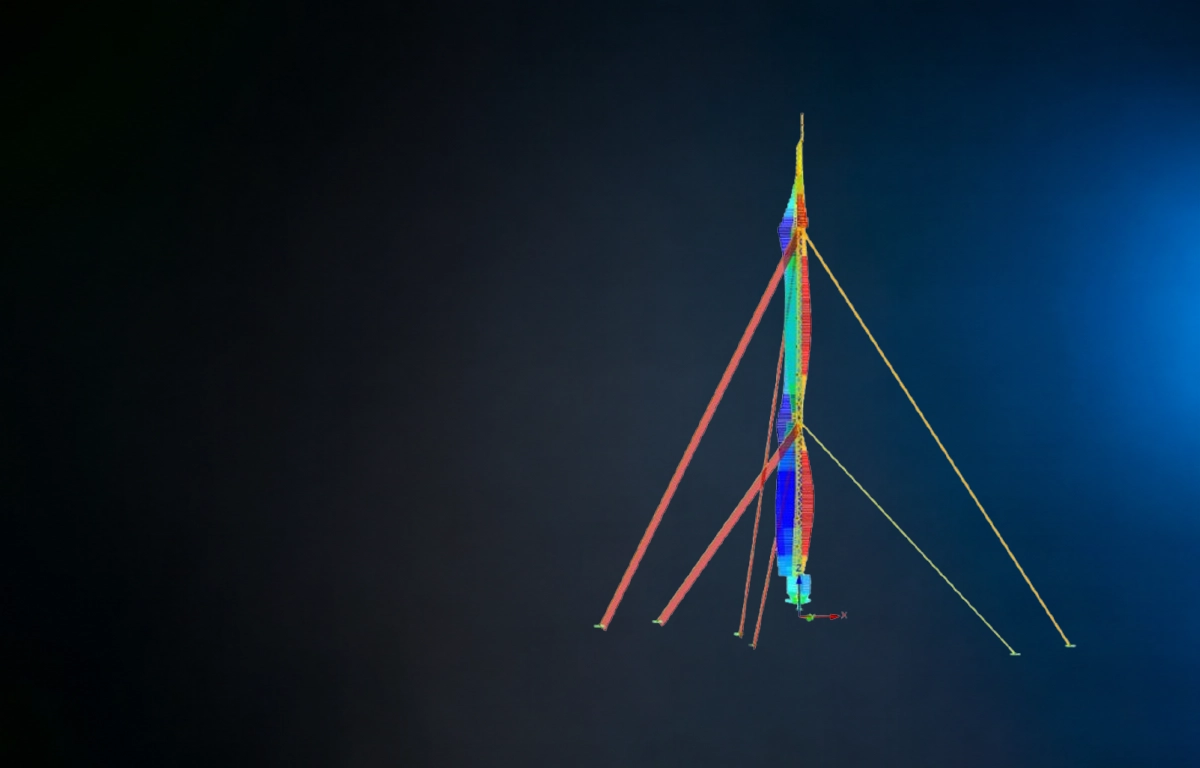
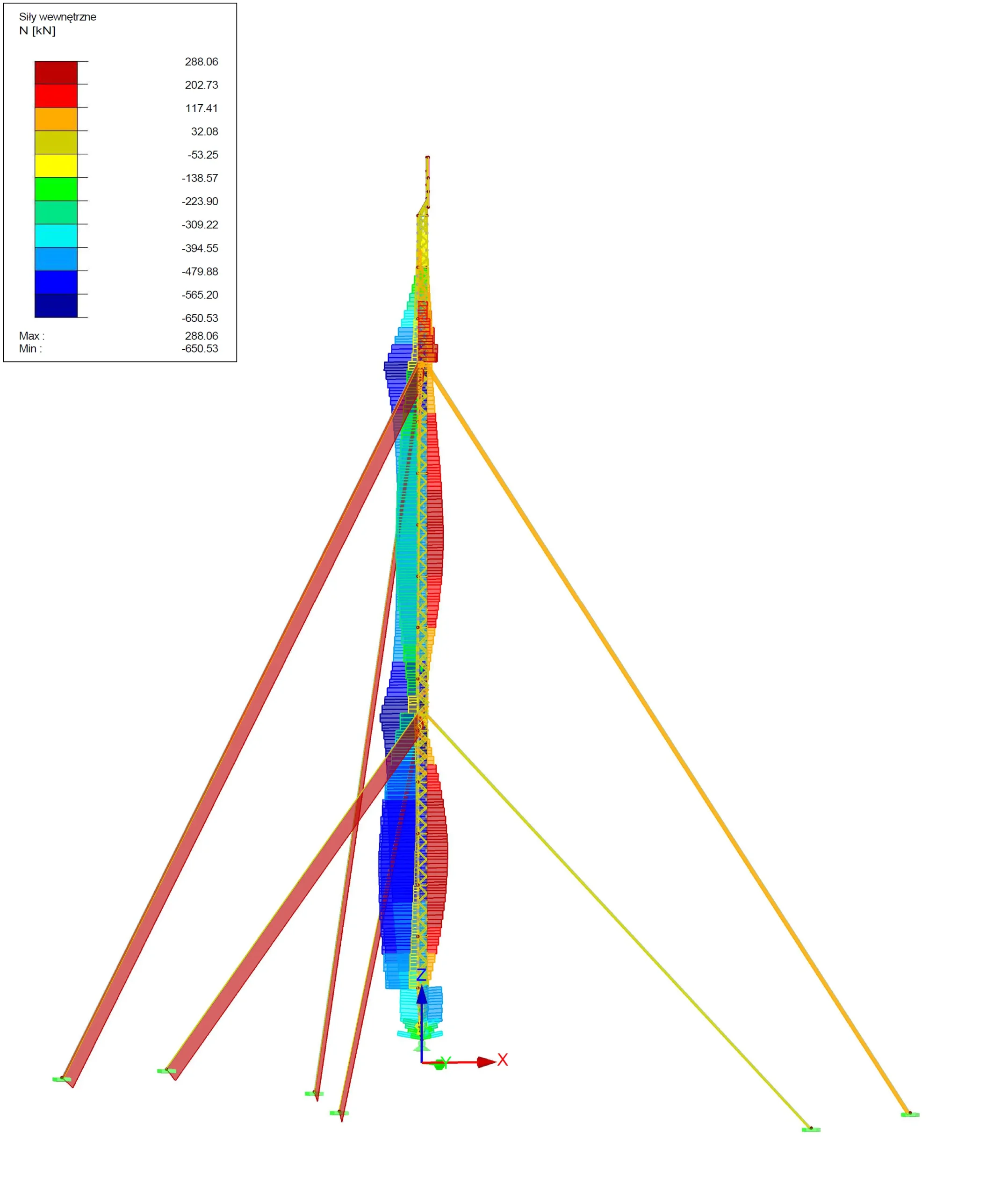
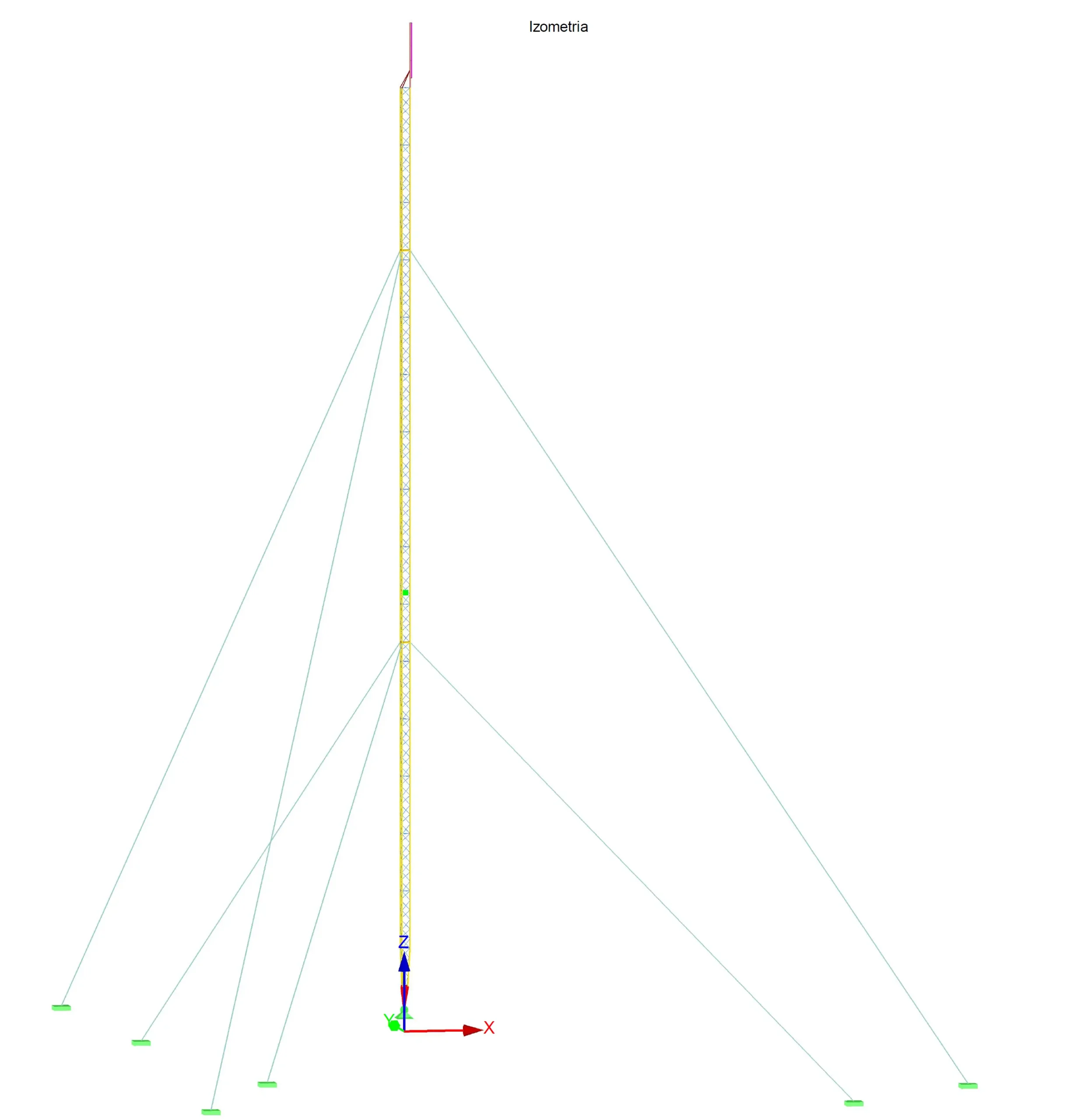
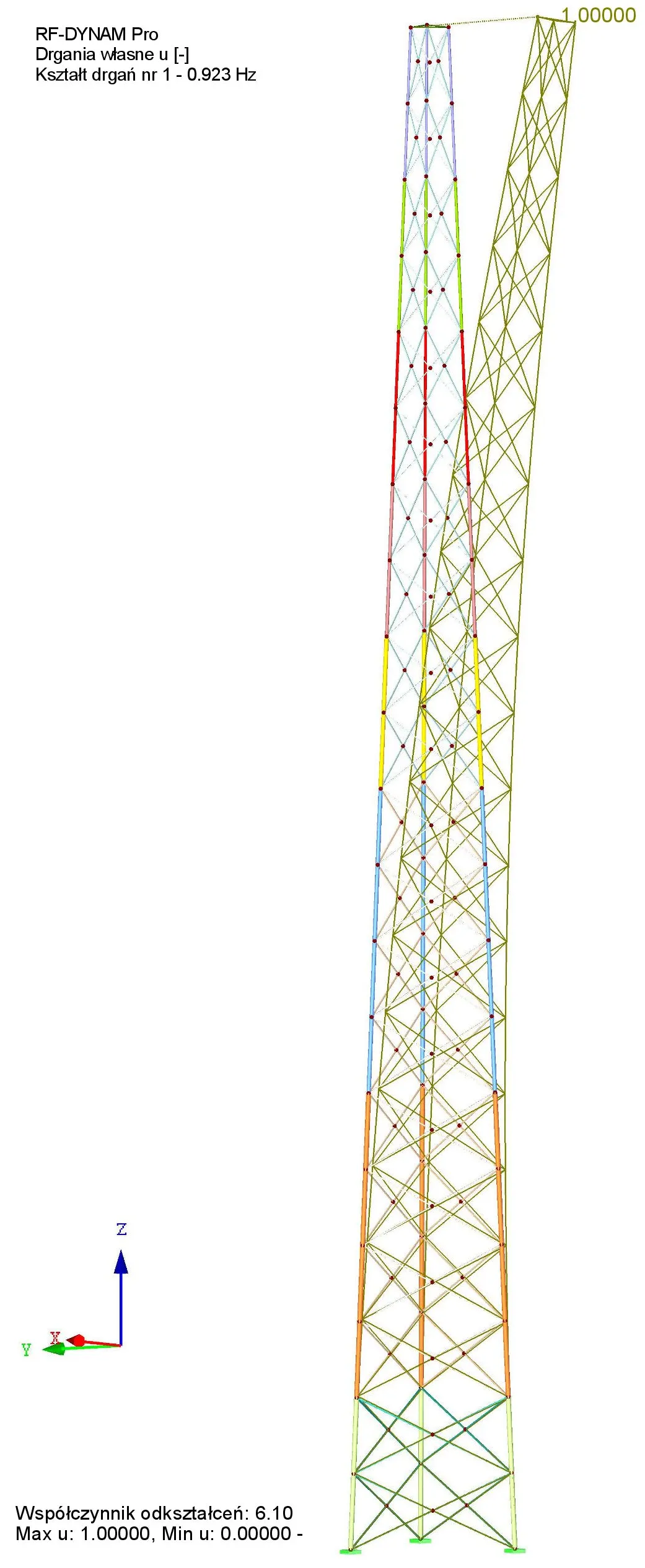
The design of this type of structure is a specific and narrow field within civil engineering. With over 15 years of experience in this field and the use of modern design methods, such as CFD analysis and FEM analysis, we are able to provide solutions tailored to user needs and optimized for cost and construction.

Thanks to our many years of experience in this field, we have developed many typical, proven, and repeatable solutions, enabling us to quickly deliver the design documentation necessary for the administrative process and construction phase.

Analizy przepływów CFD

Mast Design

Designing tall masts is a specialized engineering process aimed at creating safe, stable, and durable structures suitable for mounting transceiver or measurement devices. Although the masts' intended use differs functionally, they share stringent technical, environmental, and operational requirements.

Telecommunications and Meteorological Masts - Design

Telecommunications masts serve as antenna carriers for GSM, LTE, 5G, Wi-Fi, and radio systems. They require precise device placement and maintaining appropriate signal propagation parameters. Designing telecommunications masts takes into account factors such as wind zones, dynamic loads, infrastructure expansion potential, and compliance with telecommunications and construction regulations.

Meteorological masts are used to conduct atmospheric measurements, such as wind speed and direction, temperature, humidity, and precipitation levels. They require minimal structural impact on measurement accuracy, so they often feature lightweight construction, a slim cross-section, and special brackets for mounting sensors at various heights.

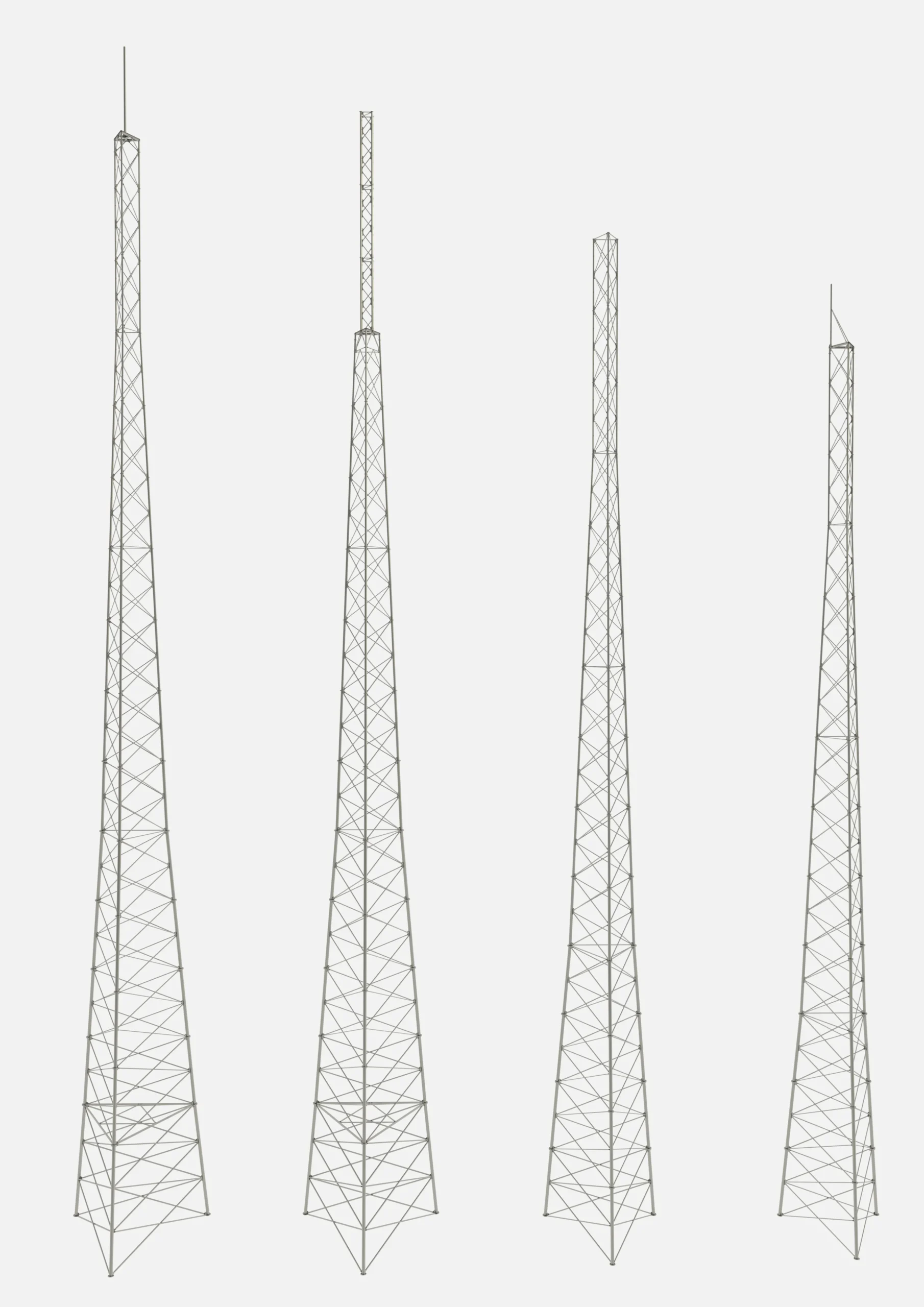
The most common structures used are truss or tubular, freestanding or stay-beam structures made of hot-dip galvanized steel. Each design is individually tailored to local conditions, the type of equipment being installed, and the required height.
Professional design of telecommunications and weather masts guarantees reliable system operation, structural safety, and longevity – regardless of environmental conditions and intended use.

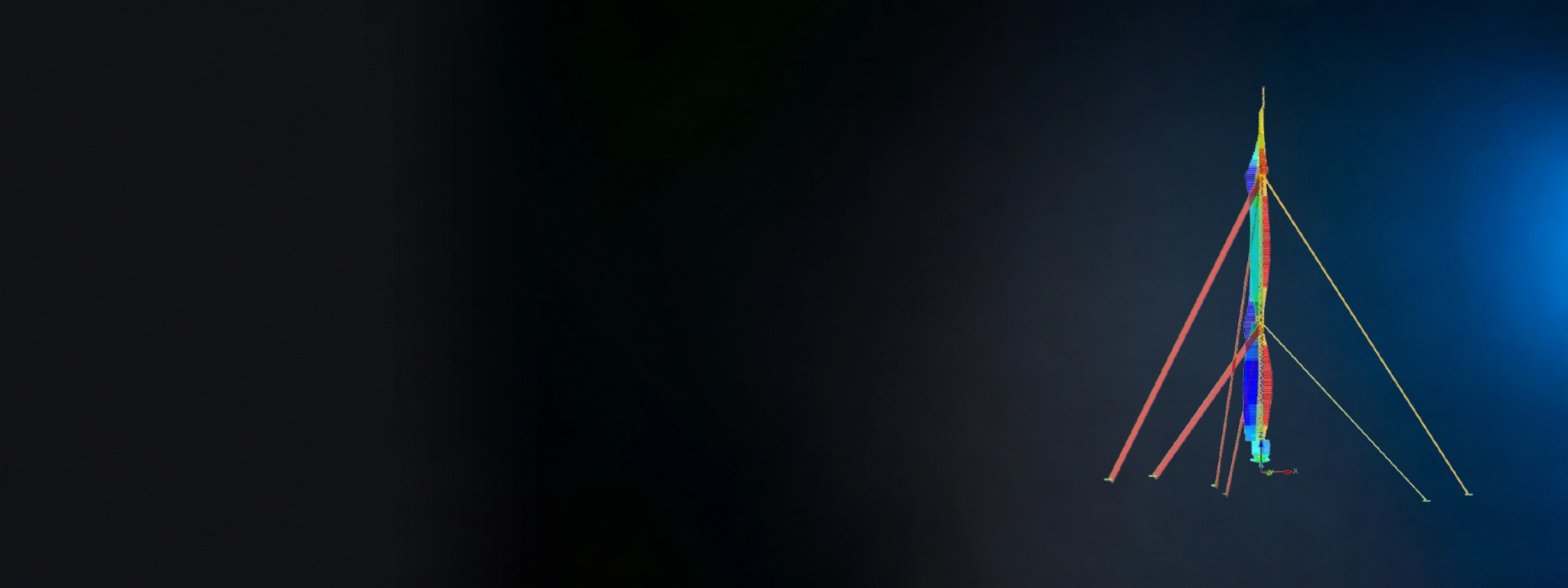
CFD Flow Analysis in Tower and Mast Design

Using CFD flow analysis in the design of these tall structures allows for the design of structures that are wind-resistant and meet all applicable standards, while also being lighter and therefore cheaper to build. The additional design effort pays off significantly during the project's implementation, as the design cost is always only a small percentage of the total investment cost.

Request a quote